






Cashmere vs Wool: What's Actually the Difference? | L'emi

Cashmere vs Wool: What's Actually the Difference?
"Cashmere" and "wool" get used almost interchangeably in casual conversation, but they're not the same fiber, and the differences matter more than just price. Here's an honest comparison, from a brand that works with both.
The Basic Difference
Wool comes from sheep. It's a broad category that covers everything from coarse, affordable wool to fine merino.
Cashmere comes from the soft undercoat of cashmere goats, not sheep. It takes the fleece of roughly one goat's annual shed to produce enough fiber for a single sweater, which is a big part of why cashmere costs more.
They're related (both are animal fibers, both are technically "wool" in the broadest sense), but cashmere is a specific, rarer, finer type.
Softness
This is where cashmere clearly wins. Cashmere fibers are significantly finer in diameter than most wool fibers, that's what makes it feel soft against skin rather than scratchy. Fine merino wool comes closest to cashmere's softness among wool types, but standard wool is noticeably coarser.
Warmth
Ounce for ounce, cashmere is warmer than wool, its fiber structure traps more air, which is what creates insulation. This is why a lightweight cashmere sweater can feel as warm as a much bulkier wool one, which matters if you want warmth without bulk under a coat.
Durability
Here wool actually has the edge. Wool's coarser, sturdier fiber holds up to daily wear and pilling better than pure cashmere, which is more delicate and prone to pilling if not cared for properly.
This is exactly why cashmere-wool blends exist, they're a genuine engineering compromise, not just a cheaper alternative.
Price
Cashmere is more expensive, consistently. The scarcity of the raw material is the main driver, not marketing. This is a real, structural cost difference, not an arbitrary one.
So Which Should You Choose?
Honestly, it depends on what you're optimizing for, and this is exactly why we make both:
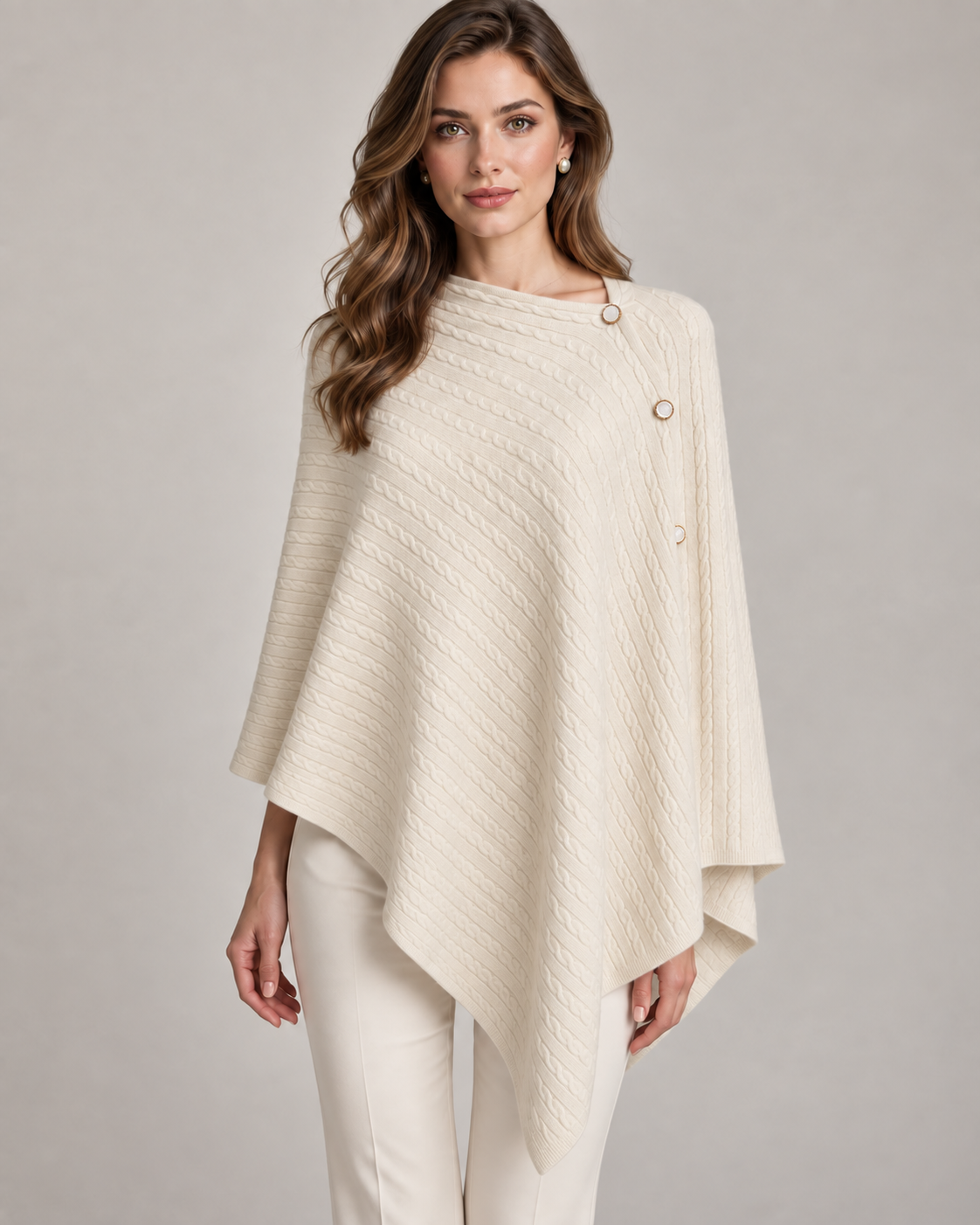
- Want maximum softness and warmth-to-weight, and can care for it properly? Pure cashmere (we work in both dyed and undyed 100% cashmere).
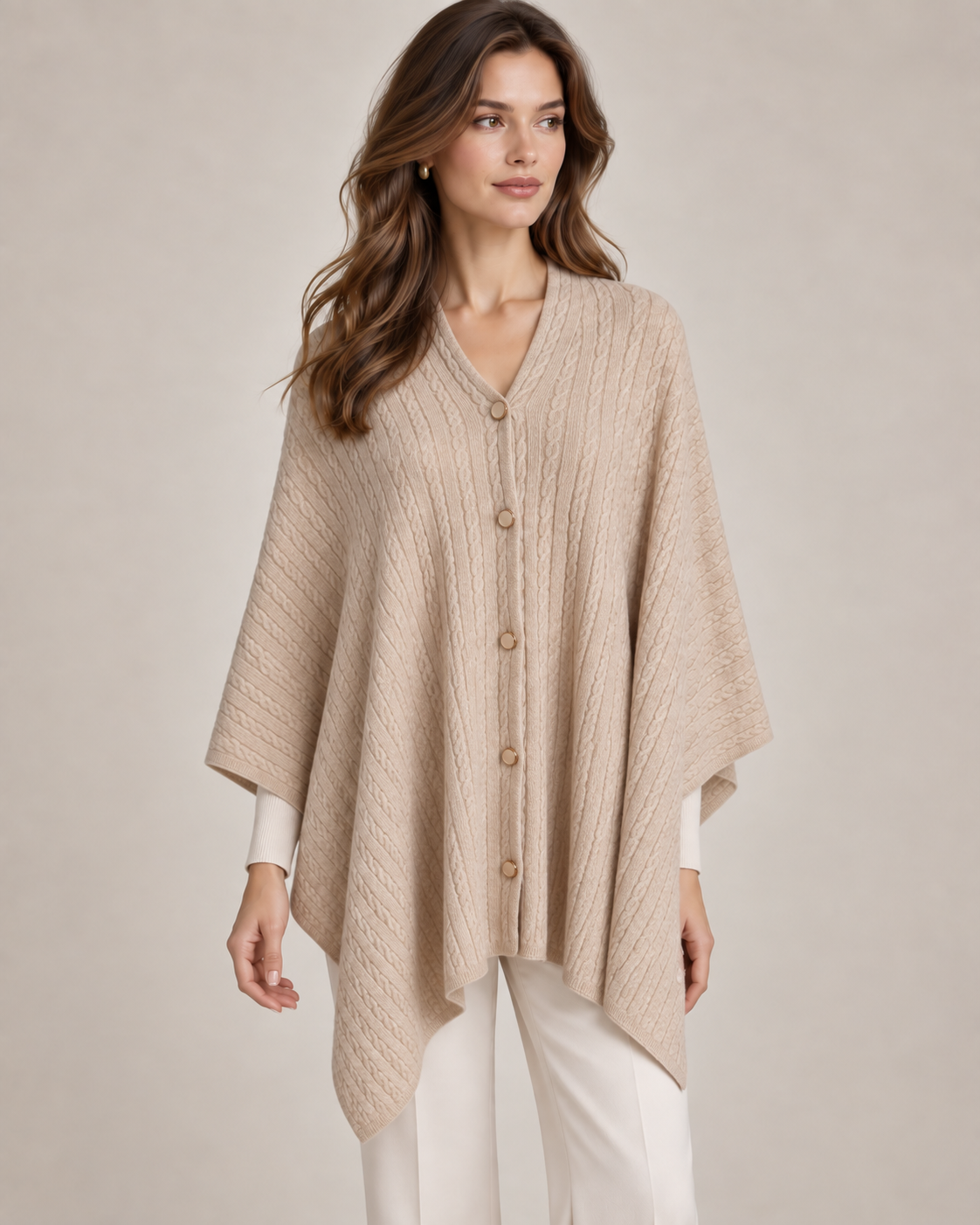
- Want the durability of wool with some of cashmere's softness, at a more accessible price? A cashmere-wool blend, we offer both 90% wool / 10% cashmere and 70% wool / 30% cashmere pieces, which is a genuinely different product, not a lesser one.
- Want a lower-maintenance, machine-friendlier piece? Our pure wool and cotton pieces are the more forgiving choice for everyday, low-fuss wear.
There's no universally "better" answer, only a better answer for how you'll actually wear and care for it.
A Quick Note on Quality Within Each
Not all cashmere is equal, and not all wool is equal either. Fiber length, fineness, and origin all affect how a piece performs and ages.
