


The History of the Cardigan: From Military Essential to Timeless Style
Few garments have crossed centuries and dress codes as gracefully as the cardigan. Worn by soldiers, athletes, fashion icons, and generations of everyday dressers, this deceptively simple knitted layer tells a story of comfort, practicality, and reinvention.
1850s — A name born in the Crimean War
The cardigan takes its name from James Thomas Brudenell, the 7th Earl of Cardigan, who led the Charge of the Light Brigade in 1854. During the Crimean War, knitted jackets helped protect British officers from the cold. The garment became associated with the famous officer, though there is no reliable evidence that he personally invented it. References to “cardigan jackets” were circulating by the late 1850s.

Late 1800s to early 1900s — Knitwear enters daily life
As outdoor recreation and casual dress became more common, practical knitwear moved beyond military use. Button-front cardigans offered warmth without the inconvenience of pulling a sweater over the head. Men wore them for sport, leisure, and everyday layering, often beneath structured jackets.

1920s and 1930s — Coco Chanel and the Cardigan: The Beginning of Effortless Elegance
In the early 20th century, women's fashion was still heavily influenced by structured dresses, elaborate decoration, and restrictive silhouettes. Gabrielle "Coco" Chanel challenged those conventions, introducing clothing that allowed women to move more comfortably without sacrificing elegance. During the 1920s, Chanel's cardigans became a fashion statement and was associated with a new vision of femininity: independent, relaxed, and sophisticated.

She embraced several elements that helped define the modern cardigan:
-
Soft, flexible fabrics: Jersey provided comfort and freedom of movement.
-
Menswear inspiration: Chanel borrowed the simplicity and practicality of men's knitwear.
-
Relaxed silhouettes: Her cardigans could be worn without the stiff construction of traditional tailored garments.
-
Understated luxury: Simple knitwear was often paired with pearl necklaces, elegant skirts, and refined accessories.
-
Versatile separates: Cardigans and skirts could be combined to create coordinated outfits rather than relying on elaborate dresses.
Chanel helped demonstrate that luxury did not have to mean discomfort or excessive ornamentation.
1940s and 1950s — The golden age of the twinset
During World War II, knitting remained practical and widespread. Postwar fashion brought fine-gauge cardigans, refined buttons, fitted waists, and coordinating sweaters into everyday elegance. A cardigan might be worn neatly with a pencil skirt, casually over trousers, or as part of a collegiate outfit. Its versatility became its strongest asset.
1960s to 1990s — From classic to counterculture
Through the decades, the cardigan appeared in preppy wardrobes, colorful handmade looks, and softer casual dressing. Fred Rogers made the zip-front sweater a reassuring television signature. In the early 1990s, Kurt Cobain helped give loose, worn-in cardigans a completely different identity: understated, imperfect, and rebellious.
Today — The cardigan reinvented again
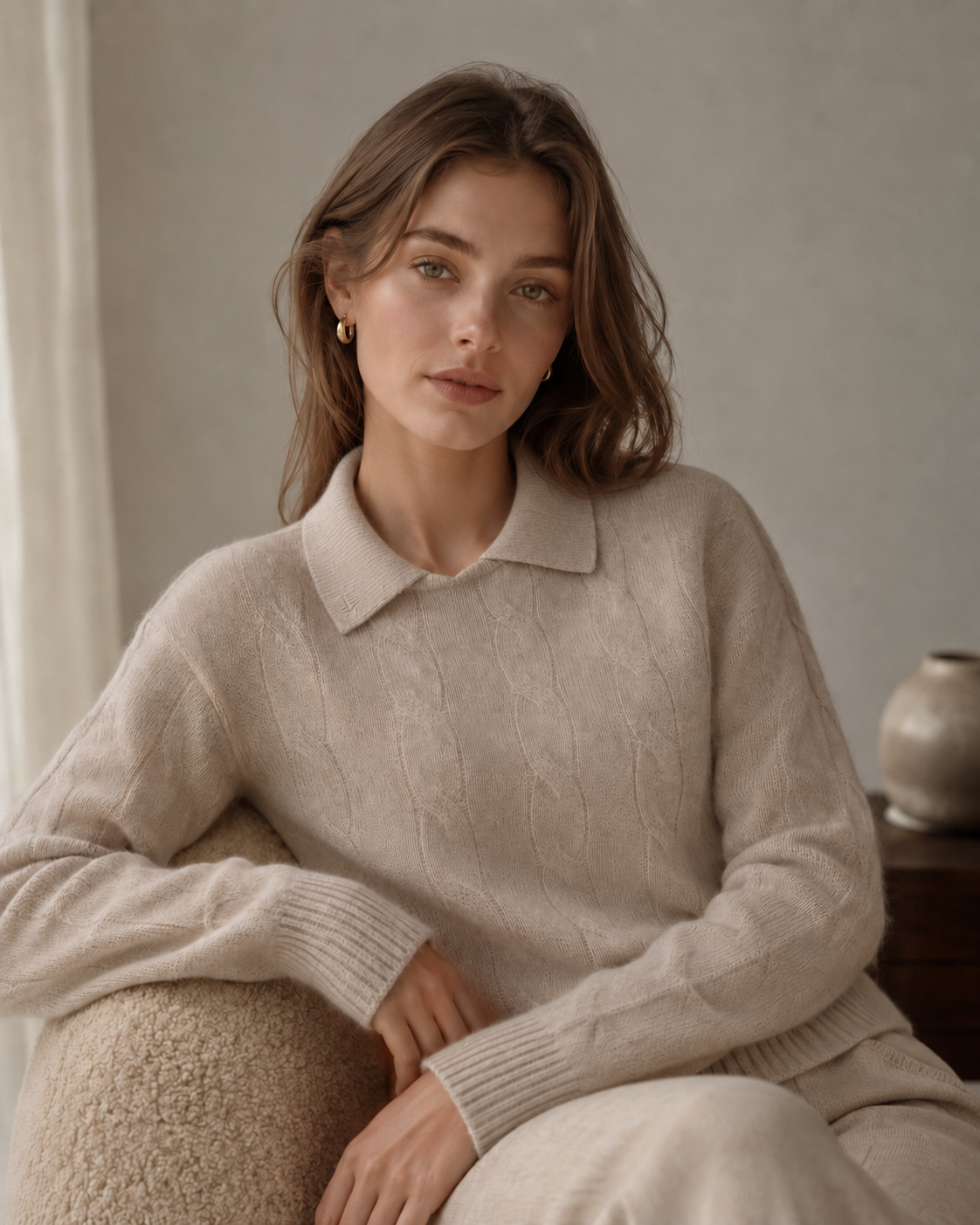
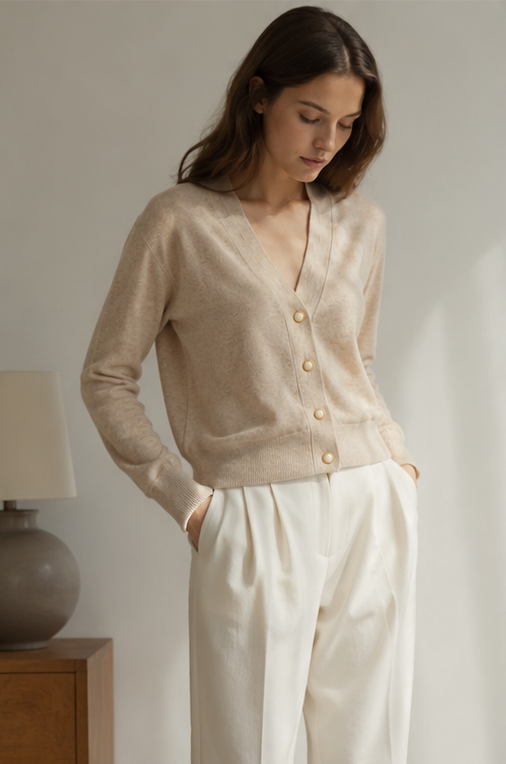
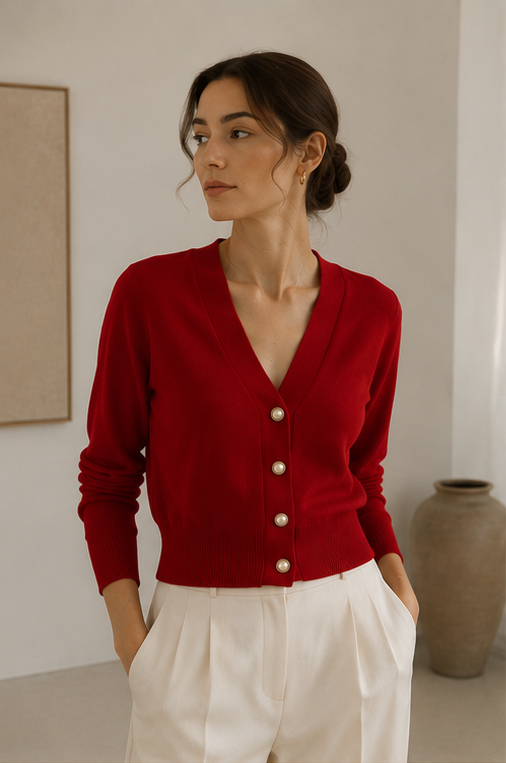
Modern designs range from cropped silhouettes and relaxed chunky knits to elegant long line styles and luxurious fine-gauge cashmere and wool. They can be layered over dresses, styled with tailoring, or worn with simple denim. Designers continue to revisit the cardigan because its appeal is not tied to one decade or one way of dressing.
Why the cardigan endures
The cardigan has endured because it combines utility with personality. Its story begins with the pursuit of warmth, then unfolds through changing ideas of elegance, leisure, and self-expression. A beautifully made cardigan is more than a seasonal trend—it is a familiar piece that can feel new every time it is worn.
