











How to Store Cashmere Sweaters Beautifully

A cashmere sweater earns its place in a wardrobe through the small moments: a polished layer for an early meeting, warmth on a long flight, or softness against the skin on a quiet weekend. Knowing how to store cashmere sweaters well is what allows those moments to continue season after season. Fine natural fibers respond beautifully to thoughtful care, but they do not thrive when compressed, hung, or put away before they are fully clean.
Cashmere storage is less about elaborate equipment than a few considered habits. Give each piece a clean, dry, breathable home, and it will retain the relaxed elegance, shape, and comfort that make it worth reaching for.
How to Store Cashmere Sweaters Between Wears
For a sweater you will wear again within the next week or two, avoid treating it as though it needs long-term storage. Let it rest flat on a shelf or in a drawer, folded with care. This gives the fibers time to recover their shape after wear and prevents the shoulders from stretching.
A short rest is especially welcome after a day of travel or an evening in a warm room. Cashmere does not need washing after every use. In fact, overwashing can shorten the life of any knit. If the sweater is clean and free from scent, air it out flat for several hours before folding it away.
Never leave cashmere draped over a chair for days or bunched in the bottom of a tote. The weight of the knit can create creases, and friction against rough surfaces may encourage pilling. A dedicated drawer or shelf turns everyday care into a quiet, effortless ritual.
Always Fold, Never Hang
The simplest rule in cashmere care is also one of the most valuable: fold sweaters rather than hang them. Even a well-made hanger can pull at the shoulder line and elongate the body over time. This is particularly true of heavier cashmere cardigans, ribbed knits, dresses, and relaxed silhouettes.
To fold a sweater, lay it face down on a clean, smooth surface. Bring each sleeve inward, then fold the sides toward the center so the garment forms a neat rectangle. Fold from the hem upward once or twice, depending on the depth of your drawer. The goal is a gentle fold, not a tight package.
If you prefer open shelving, stack only a few sweaters together. Heavy piles place pressure on the pieces at the bottom and make it tempting to pull a garment out from the middle. Arrange lighter knits on top and reserve a separate space for substantial shawls, wraps, and cardigans.
Prepare Cashmere Before Seasonal Storage
When warmer months arrive, take a moment to prepare each sweater before putting it away. Cashmere moths are not drawn to the fiber alone. They are attracted to traces of body oil, fragrance, food, and skin cells left behind after wear. A sweater that looks clean may still need attention before it spends several months in a drawer.
Wash or dry clean according to the care label. For many fine cashmere pieces, gentle hand washing in cool water with a wool-safe cleanser is appropriate. Do not twist or wring the knit. Instead, press out excess water with a clean towel, reshape it, and dry it flat away from direct heat and sunlight.
Allow the garment to dry completely before storage. Even slight dampness can create a stale odor or invite mildew in an enclosed space. Once dry, use a fabric comb or cashmere brush lightly if needed to remove surface pills. This is also the ideal time to check cuffs, hems, and underarms for areas that may benefit from a little extra care.
Choose a Breathable, Protected Home
Cashmere needs protection from dust, insects, and excessive pressure, but it also benefits from airflow. A clean dresser drawer, lined storage box, or breathable cotton garment bag can all work beautifully. The best choice depends on your available space and the length of storage.
Avoid long-term storage in ordinary plastic bags or airtight bins. Plastic can trap residual moisture and leave fibers without airflow, particularly in humid climates. Vacuum-sealing is similarly best avoided for cashmere. While it saves space, prolonged compression can flatten the yarn, set deep creases, and compromise the loft that gives cashmere its distinctive softness.
For seasonal storage, place folded sweaters in a breathable cotton bag or an archival-style box with a lid. Do not overfill it. Cashmere should lie comfortably rather than being pressed into a tight stack. Store the container in a cool, dark, dry area away from radiators, attic heat, basement dampness, and direct sunlight.
A closet shelf may be perfectly suitable if your home is climate controlled and the shelf stays clean and dry. In a humid region, a drawer or sealed-but-breathable fabric storage solution may offer more dependable protection. The right approach is the one that keeps the environment stable without crushing the knit.
Protect Cashmere From Moths Without Perfuming It
Moth prevention deserves a place in every cashmere routine, particularly for sweaters stored through spring and summer. Start with cleanliness, then add a gentle deterrent. Cedar blocks, cedar sachets, lavender sachets, or other natural repellents can help when placed near, rather than directly against, your sweaters.
Refresh cedar periodically by lightly sanding the surface so its aroma remains present. Lavender is lovely for a drawer, though it should be replaced when its scent fades. If you use sachets, choose well-contained versions that will not shed dried material onto delicate knits.
Avoid placing loose cedar chips, strongly scented products, or mothballs directly in storage with cashmere. Mothballs carry a harsh odor and are not a refined choice for clothing kept close to the skin. Heavy fragrance can also linger in natural fibers, making a treasured sweater feel less inviting when the season returns.
If you have seen signs of moth activity in your home, clean the surrounding closet or drawer thoroughly before returning garments to it. Vacuum crevices, wipe shelves, and inspect nearby wool, silk, and natural-fiber pieces. One protected sweater is helpful; a clean storage environment is better.
Make Travel Storage Easier on Fine Knits
Cashmere is a natural companion for travel, but suitcases ask more of it than a home drawer does. Fold sweaters loosely and place them in a lightweight fabric bag or packing cube, preferably near the top of your case. This reduces pressure from shoes, toiletries, and structured items.
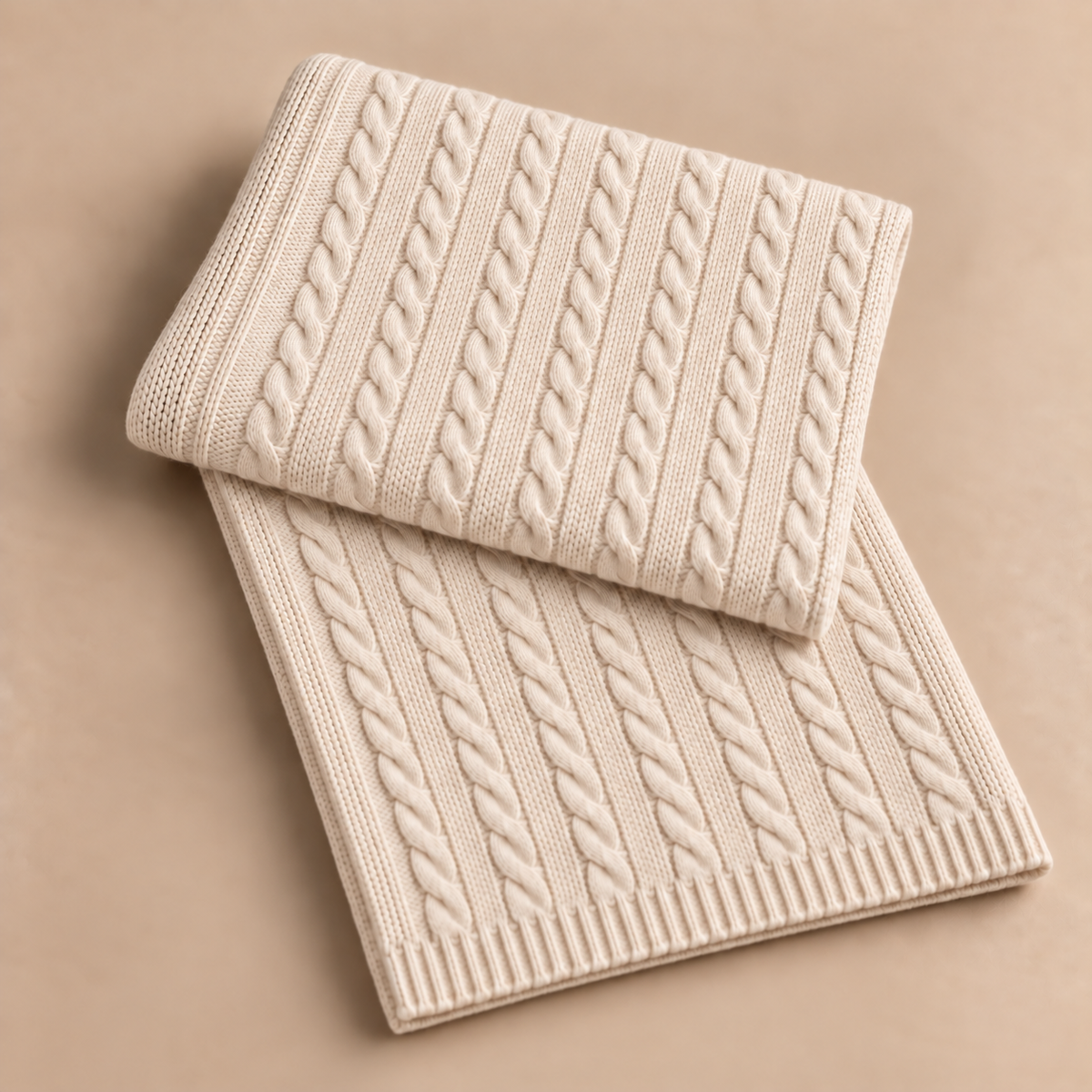
For a cashmere shawl or wrap, fold it into a soft rectangle rather than rolling it tightly. If it arrives with creases, lay it flat overnight or hang it briefly in a steamy bathroom, taking care not to let it become wet. Most minor wrinkles will relax naturally.
Once home, unpack promptly. Let each knit air out and return it to its regular folded space. This small step preserves the composed look of a well-cared-for wardrobe, even after a busy itinerary.
A Few Storage Habits to Avoid
Beautiful cashmere is forgiving, but certain habits create avoidable wear. Keep these four in mind:
- Do not hang sweaters for extended periods, even on padded hangers.
- Do not store them unwashed after frequent wear, meals, or fragrance exposure.
- Do not use vacuum bags for long seasonal storage.
- Do not place cashmere near heat, sunlight, dampness, or strongly scented products.
Cashmere is designed to become part of your life, not to be saved for an imagined occasion. Care for it with the same quiet intention you bring to choosing it, and each sweater will be ready to offer beauty and comfort whenever the weather calls for a softer layer.
