
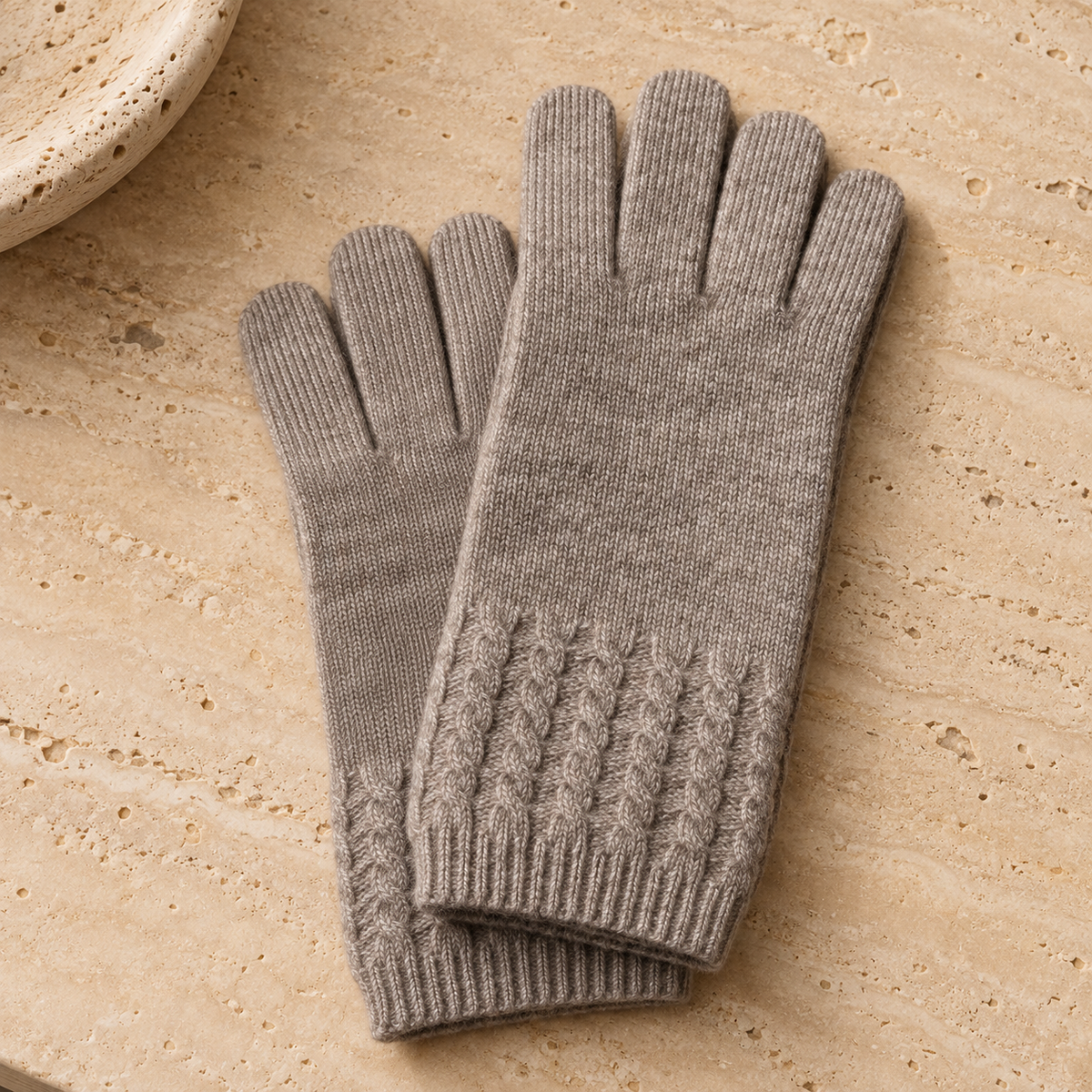
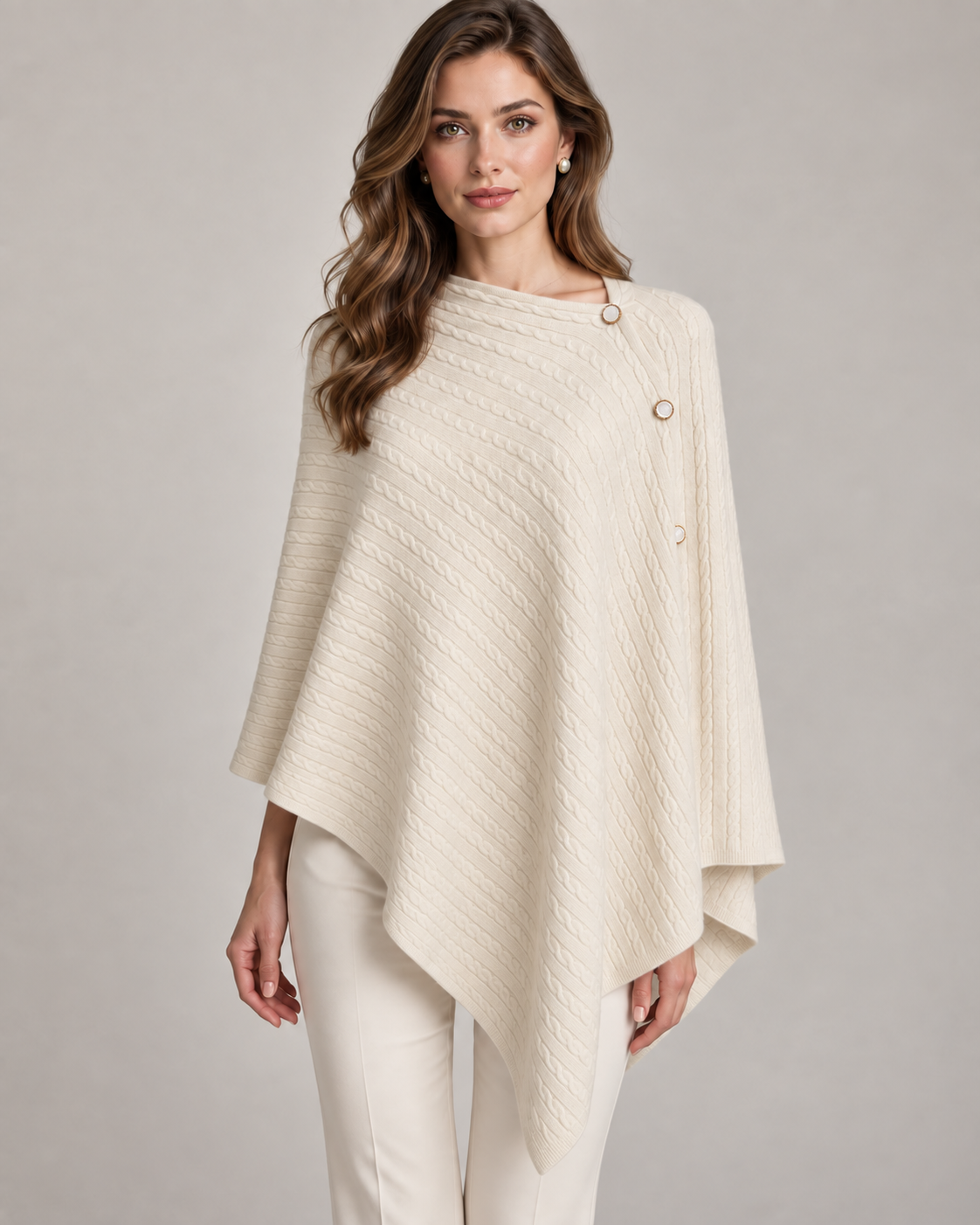

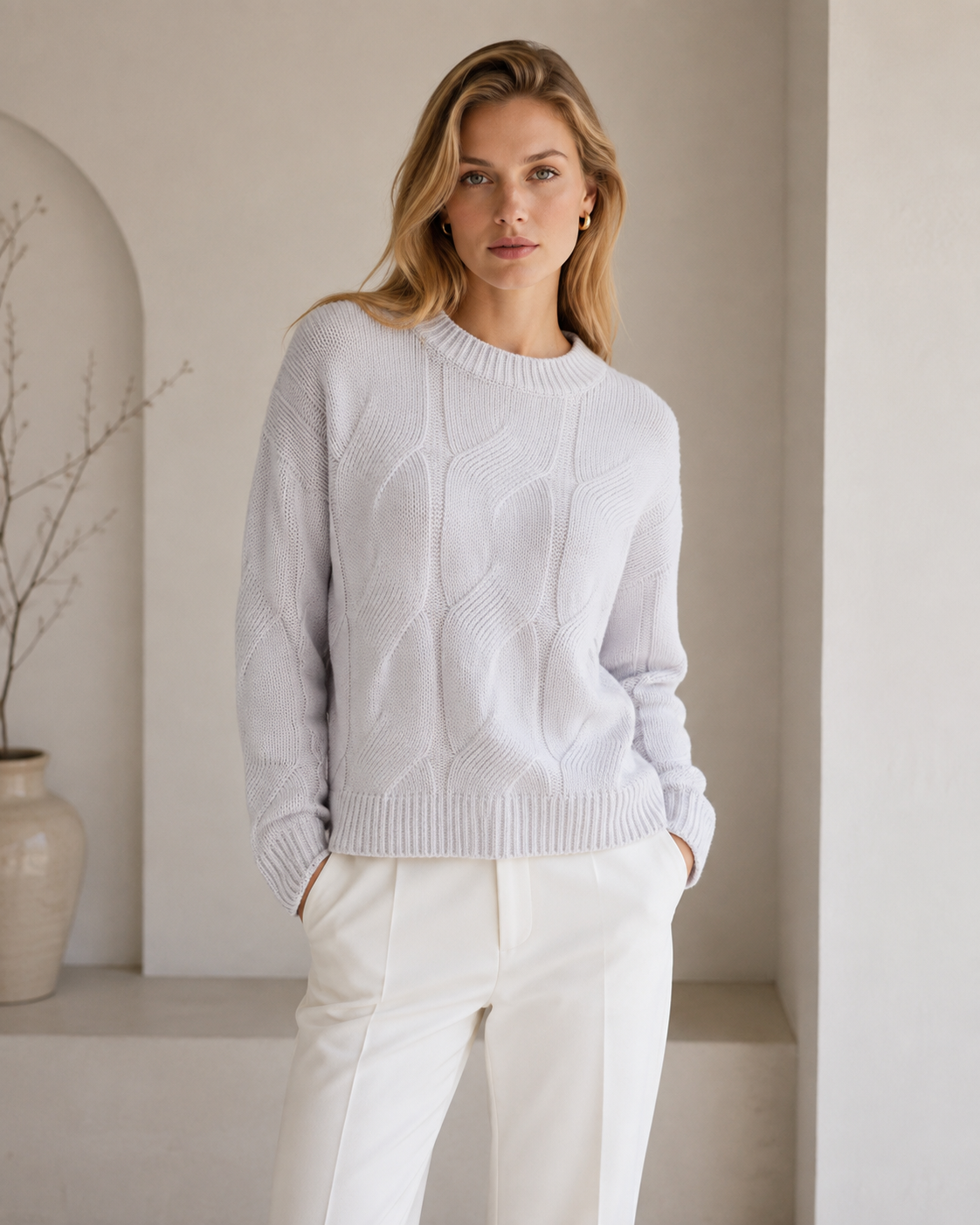


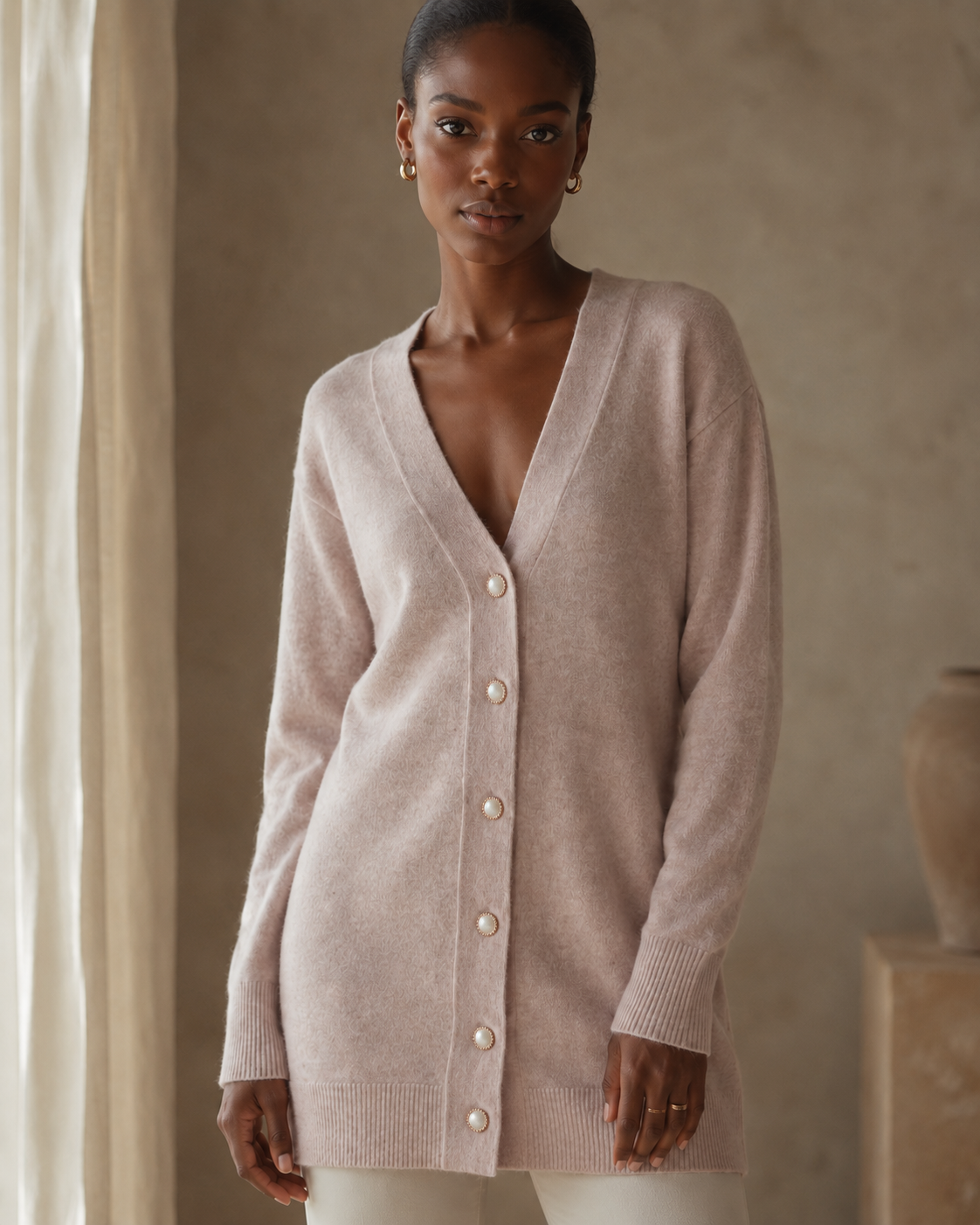





Does Cashmere Pill Easily? What Quality Changes

A beloved cashmere sweater can feel almost weightless against the skin, yet still offer remarkable warmth. That softness comes from exceptionally fine natural fibers - and it is also why shoppers often ask, does cashmere pill easily? The honest answer is that cashmere can pill, particularly at first, but excessive pilling is not inevitable. Fiber quality, yarn construction, fit, wear patterns, and care all shape how a piece looks over time.
Pilling should not be mistaken for a failure of luxury. Like a leather bag developing a softer finish or silk gaining character with wear, natural fibers respond to real life. The difference lies in whether a garment settles beautifully into your wardrobe or quickly begins to look fuzzy and worn.
Does Cashmere Pill Easily? The Short Answer
Cashmere is more prone to pilling than some smoother, tightly woven fabrics because its fibers are very soft and fine. When loose ends work their way to the surface, friction causes them to twist together into small balls. You may see this first beneath the arms, along the sides of a sweater, at the elbows, or wherever a handbag strap and knit meet.
A small amount of pilling during the first few wears is common, even in fine cashmere. This is often called shedding: shorter, loose fibers that remained in the yarn during spinning gradually release through wear. Once those fibers are removed, a well-made garment often becomes smoother and more stable.
Persistent, heavy pilling is different. If a sweater develops large pills across its entire surface after minimal wear, it may point to shorter fibers, a looser yarn, or a construction chosen more for an immediately fluffy feel than lasting refinement. A cashmere piece should feel luxurious on day one, but it should also have the poise to remain beautiful season after season.
Why Some Cashmere Pills More Than Others
Not all cashmere begins with the same fiber. The finest cashmere comes from the soft downy undercoat of cashmere goats. Longer fibers are generally less likely to work free from a spun yarn, while shorter fibers have more opportunities to migrate to the surface and form pills.
Fiber length is only one part of the story. The way those fibers are sorted, spun, dyed, and knitted matters just as much. A carefully spun yarn has enough structure to hold fibers together without sacrificing the cloud-like softness that makes cashmere special. A very loosely spun yarn can feel extraordinarily plush in the fitting room, but may be more vulnerable to friction in everyday wear.
Knit gauge also plays a role. A lighter, airy knit can be elegant and ideal for layering, travel, or mild weather, yet it naturally has a more delicate surface than a dense, compact sweater. Neither is inherently better. The right choice depends on how and where you plan to wear it. A refined lightweight cardigan may be perfect beneath a blazer, while a substantial crewneck can be a dependable companion for cooler weekends and frequent use.
Color and finishing can affect what you notice as well. Pale shades may make dark pills more visible, while deep tones can reveal lint or lighter fibers. This is a matter of appearance rather than a simple measure of quality. Careful finishing helps create a smooth surface, but no natural-fiber knit is entirely immune to the rhythm of movement and contact.
Friction Is Often the Real Culprit
Even exceptional cashmere meets friction in a normal day. Repeated contact with a desk edge, car seat belt, crossbody bag, or coat lining can create pills in concentrated areas. A close-fitting sweater may pill under the arms more readily than a relaxed silhouette simply because the fabric rubs against itself more often.
Consider how a piece fits into your routine. If you commute with a shoulder bag, reserve your finest lightweight cashmere for occasions when you can carry a structured tote or wear a smoother outer layer. If you reach for one sweater every week, rotating it with another knit gives the fibers time to rest and recover their shape.
Layering thoughtfully helps, too. Cashmere worn over a crisp cotton shirt or silk shell often experiences less direct friction than a knit pulled over textured fabrics. Under a tailored jacket, choose a smooth, fine-gauge layer that will not catch or compress unnecessarily at the sleeves.
How to Keep Cashmere Smooth and Refined
Gentle care is not complicated, but it rewards consistency. Cashmere does not need washing after every wear. In fact, over-washing can stress the fibers and diminish the graceful softness you chose it for. Air a sweater flat for a few hours after wearing, away from direct sunlight and heat, before returning it to storage.
When washing is needed, hand wash in cool water with a cleanser made for delicate wool. Let the garment soak briefly, then press the water through the knit without rubbing, twisting, or wringing. Rinse in cool water and roll it in a clean towel to remove excess moisture. Reshape it on a towel or drying rack and allow it to dry flat.
Avoid hanging wet cashmere. The weight of water can stretch the shoulders and body, changing the silhouette of a beautifully cut garment. Once dry, fold rather than hang your knits. Folding protects the shoulders and gives a soft natural fiber a more restful place between wears.
For pilling, a light touch matters. Use a cashmere comb or a fabric shaver designed for delicate knits, working slowly over a clean, dry garment laid flat. Do not pull pills off by hand, which can tug at surrounding fibers and create more loose ends. A few careful passes are usually enough to restore a smooth, polished surface.
If you use a fabric shaver, test it first on an inconspicuous area and keep the garment taut but not stretched. The goal is to remove only the pills sitting above the knit, never to thin the fabric itself. Think of it as the quiet maintenance that preserves an investment piece, much like polishing shoes or steaming a favorite dress before an evening out.
What to Look for When Choosing Cashmere
A pleasing hand feel matters, but do not judge cashmere by softness alone. Extremely fuzzy cashmere can feel enticing at first touch, yet a more balanced yarn may offer better longevity. Look closely at the surface: a quality knit should appear even, with a composed finish rather than obvious haloing or loose fibers before it has ever been worn.
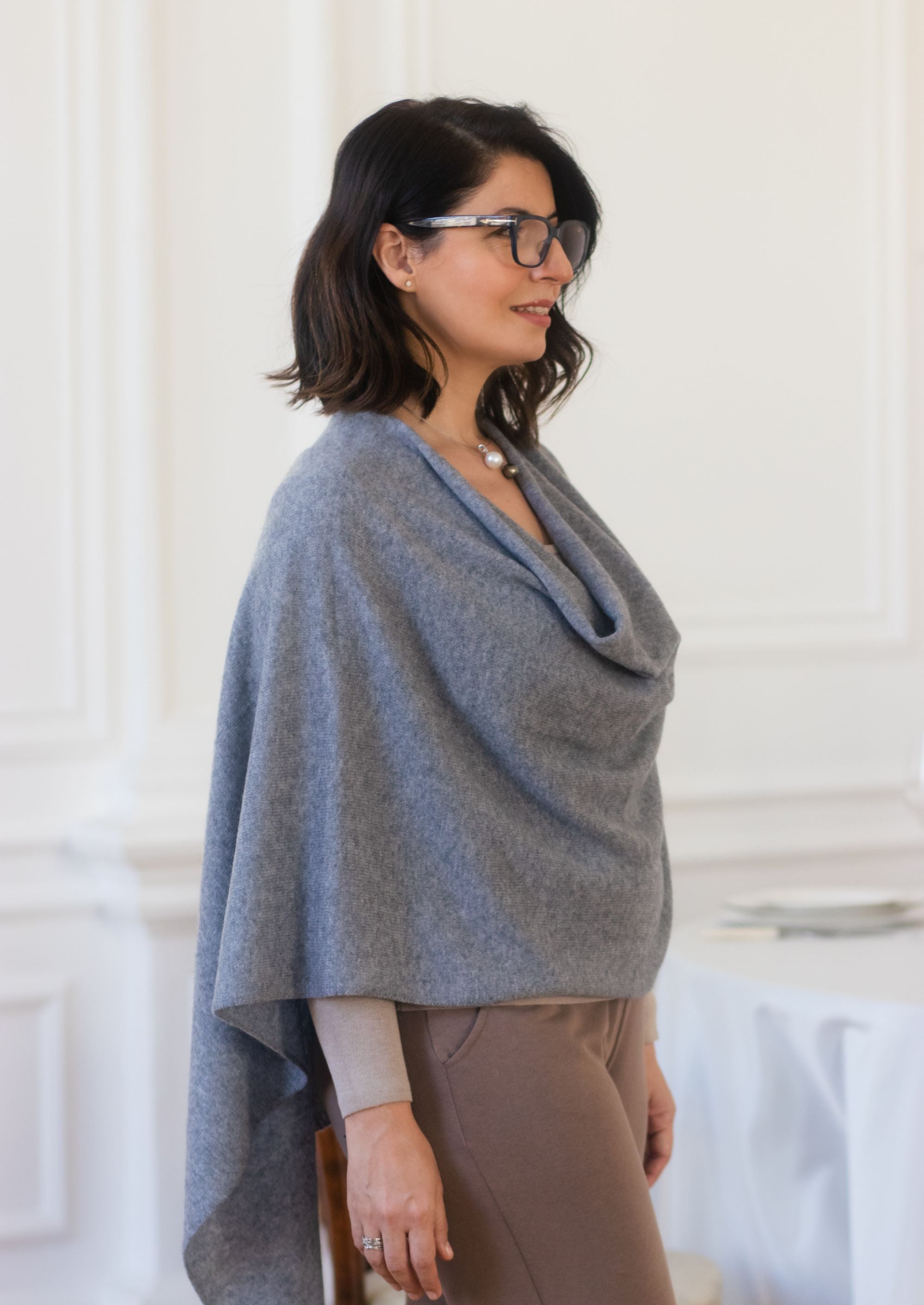
Weight should suit the garment's purpose. A featherlight wrap is meant to drape; it should not be expected to perform like a dense winter pullover. A substantial sweater should feel resilient without becoming stiff. The most enduring wardrobe is built through these distinctions, selecting pieces for the moments they are designed to serve.
Construction details are also revealing. Neat seams, even ribbing, and a shape that recovers after a gentle stretch suggest thoughtful workmanship. In premium cashmere, refinement is often quiet. It appears in the balance of the knit, the way a cuff holds its line, and the ease with which a garment layers into everyday life.
When Pilling May Need More Attention
A few pills around high-friction points are normal. Rapid pilling across low-contact areas, thinning patches, or a knit that loses shape after very little wear deserves a closer look. Before assuming the garment is at fault, consider whether a rough bag strap, repeated machine washing, or a textured coat lining is contributing to the issue.
If you are uncertain, a professional cleaner experienced with fine knits can be a worthwhile resource, especially for special-occasion pieces, heirloom-quality wraps, or garments with delicate embellishment. For everyday care, patience and a proper comb are usually all that is required.
Cashmere is at its best when it is worn, not saved for an imagined perfect occasion. Choose it with care, treat it gently, and let each piece become a familiar expression of comfort, warmth, and timeless elegance.
