


Women's Cashmere Scarves for Quiet Luxury

A beautiful scarf earns its place not by calling attention to itself, but by making every layer beneath it feel more considered. Women’s cashmere scarves offer that rare combination of immediate comfort and lasting elegance: a soft, warming piece that can refine a wool coat, soften tailored suiting, or bring polish to a simple knit and denim.
For a wardrobe built around quiet luxury, a cashmere scarf is not an afterthought. It is one of the most adaptable accessories you can own, especially when the weather turns cool, travel is on the calendar, or an occasion calls for a little more ease and beauty.
Why Women's Cashmere Scarves Feel Different
Cashmere has a lightness that makes it especially appealing for modern living. It provides generous warmth without the bulk of heavier winter accessories, so it can be wrapped closely at the neck, draped over the shoulders, or folded into a carry-on without feeling cumbersome. The fine fibers create a softness that is inviting against the skin, even for those who find some wools too textured.
That comfort matters, but so does the way cashmere moves. A well-made scarf has fluidity rather than stiffness. It settles naturally over a coat lapel or blazer and adds dimension without interrupting the line of an outfit. In understated shades, it becomes a dependable finishing layer rather than a seasonal statement piece that quickly loses relevance.
Cashmere does require a more thoughtful investment than a synthetic scarf, and quality varies. A lower-priced piece may feel soft at first but lack the density, resilience, or careful finishing that helps it wear beautifully over time. The goal is not simply softness on day one. Look for a scarf that feels substantial for its weight, has an even surface, and retains a graceful drape.
Choosing a Cashmere Scarf for Your Life
The right scarf depends less on a trend forecast than on where you expect to wear it. Consider your outerwear, your preferred color palette, and whether you need an accessory for daily commutes, long flights, special dinners, or all three.
Begin with proportion
A narrower scarf is elegant under a structured coat and easy to wear indoors without overwhelming the rest of an outfit. It suits those who prefer a neat, tailored finish. A wider wrap-style scarf offers more versatility. It can provide extra warmth outside, serve as a shoulder layer in a cool restaurant, or become a comforting travel companion when cabin air feels particularly cold.
Length is equally personal. A longer scarf allows for a relaxed loop or a more dramatic drape, while a shorter style can feel refined and uncomplicated. If you tend to wear full-length coats or oversized outerwear, a longer scarf often creates a more balanced silhouette. With cropped jackets and blazers, a moderate length may feel cleaner.
Choose color with a long view
A cashmere scarf can introduce color, but its greatest value often lies in how easily it works with what you already own. Ivory, camel, soft gray, navy, black, and deep charcoal are enduring choices for a polished wardrobe. These tones complement both warm and cool neutrals, making them especially useful for frequent wear.
A richer shade such as burgundy, forest green, chocolate, or a muted jewel tone can be just as timeless when it reflects the colors you naturally reach for. The most successful choice is not necessarily the most versatile color in theory. It is the one that makes your existing coats, sweaters, and dresses feel more complete.
For gifting, neutrals are usually the safest direction when you do not know the recipient’s wardrobe well. A soft gray or warm camel feels personal without being overly specific, and the luxury of cashmere communicates care in a quietly memorable way.
Let texture do the work
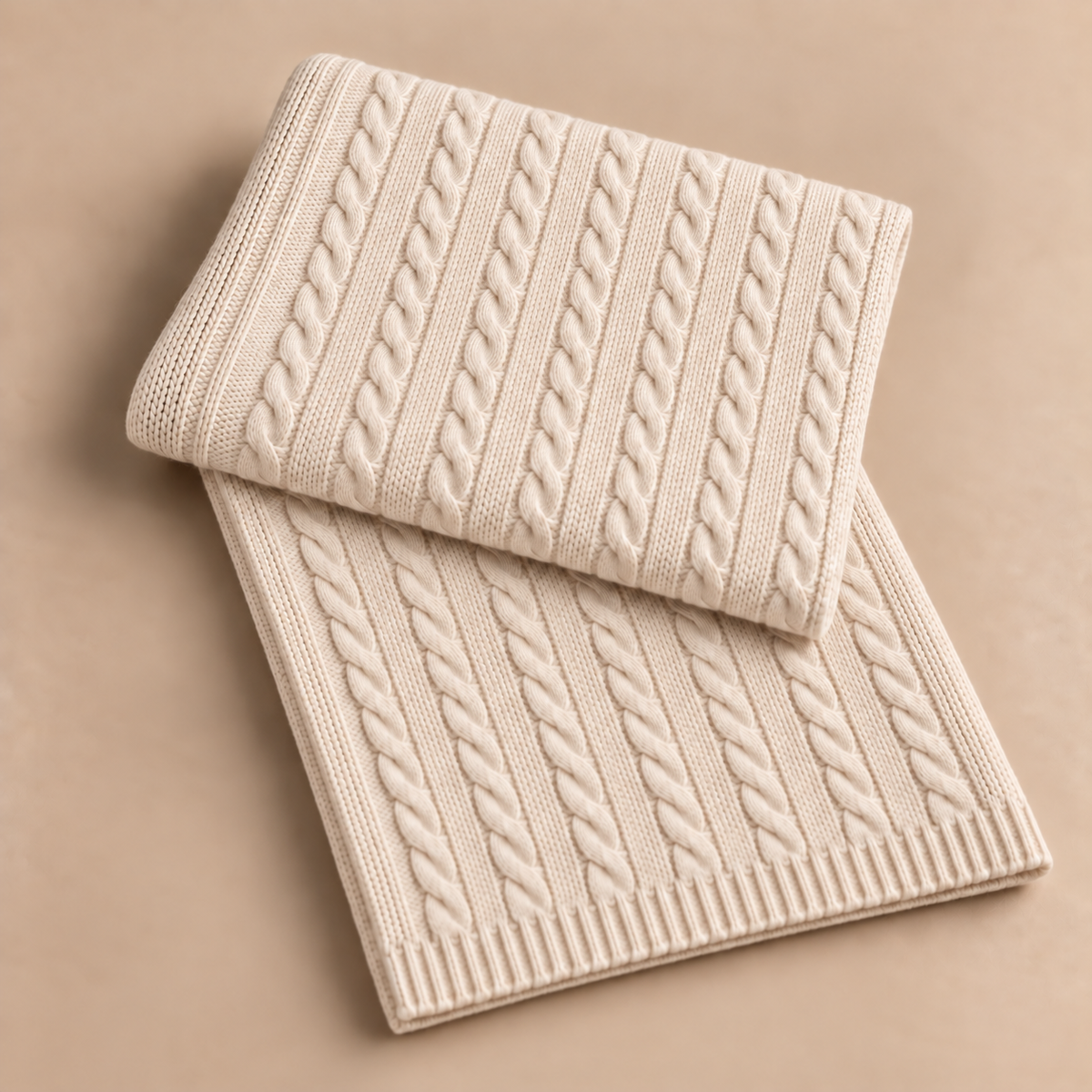
When an outfit is simple, texture brings interest without adding noise. A smooth cashmere scarf paired with a tailored wool coat creates a clean, elegant effect. A softly ribbed or more tactile knit can add warmth to minimalist separates and relaxed weekend layers.
There is a trade-off to consider. A delicate, lightweight scarf is ideal for indoor layering and transitional seasons, but it may not provide enough protection during a freezing outdoor commute. A denser knit offers greater warmth and structure, though it can feel more casual. Neither is better in every situation. The best choice is the one that meets the rhythm of your day.
How to Wear Women's Cashmere Scarves
The most polished styling often looks effortless because it avoids overworking the accessory. Let the scarf retain some movement rather than tying it into a tightly constructed knot.
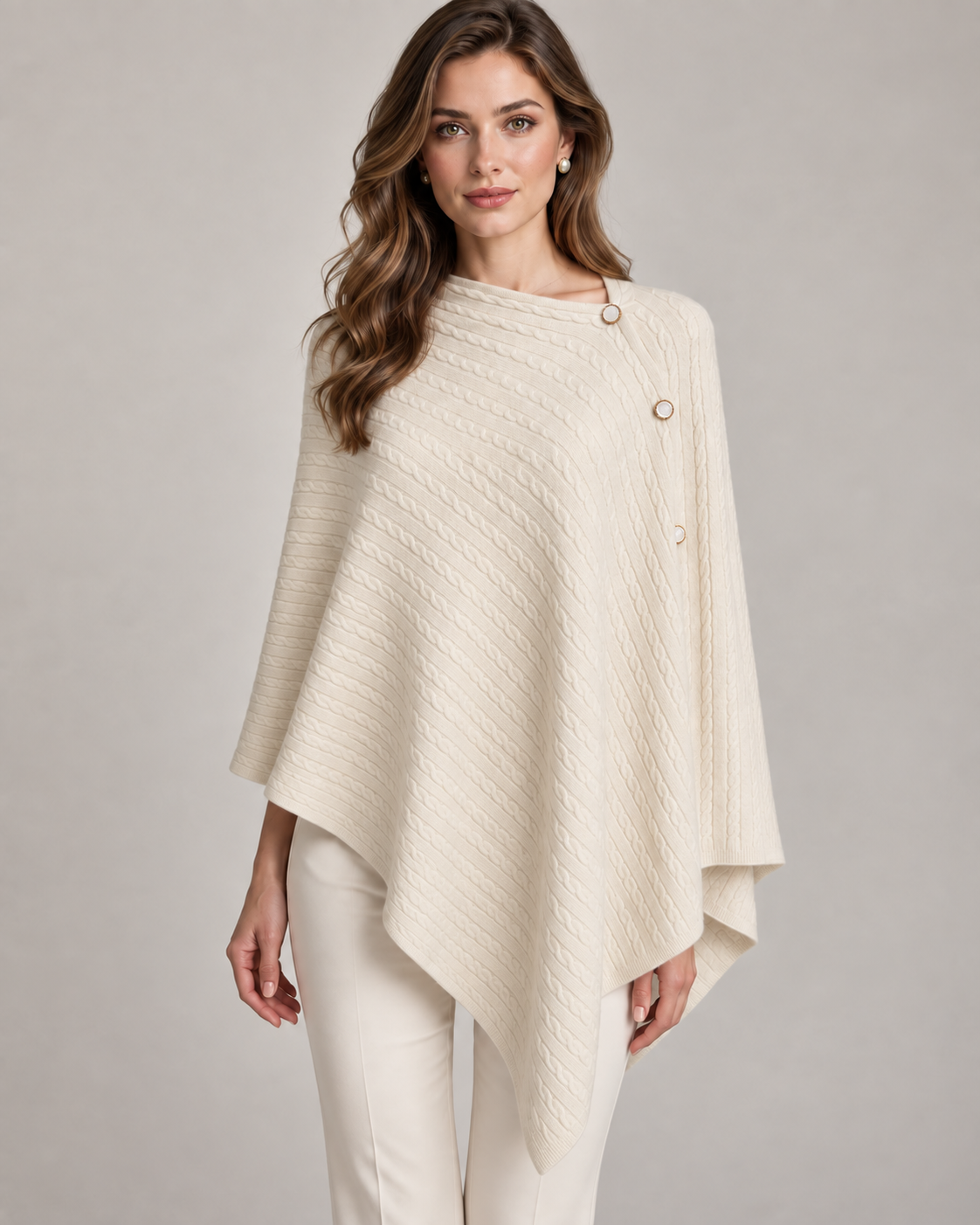
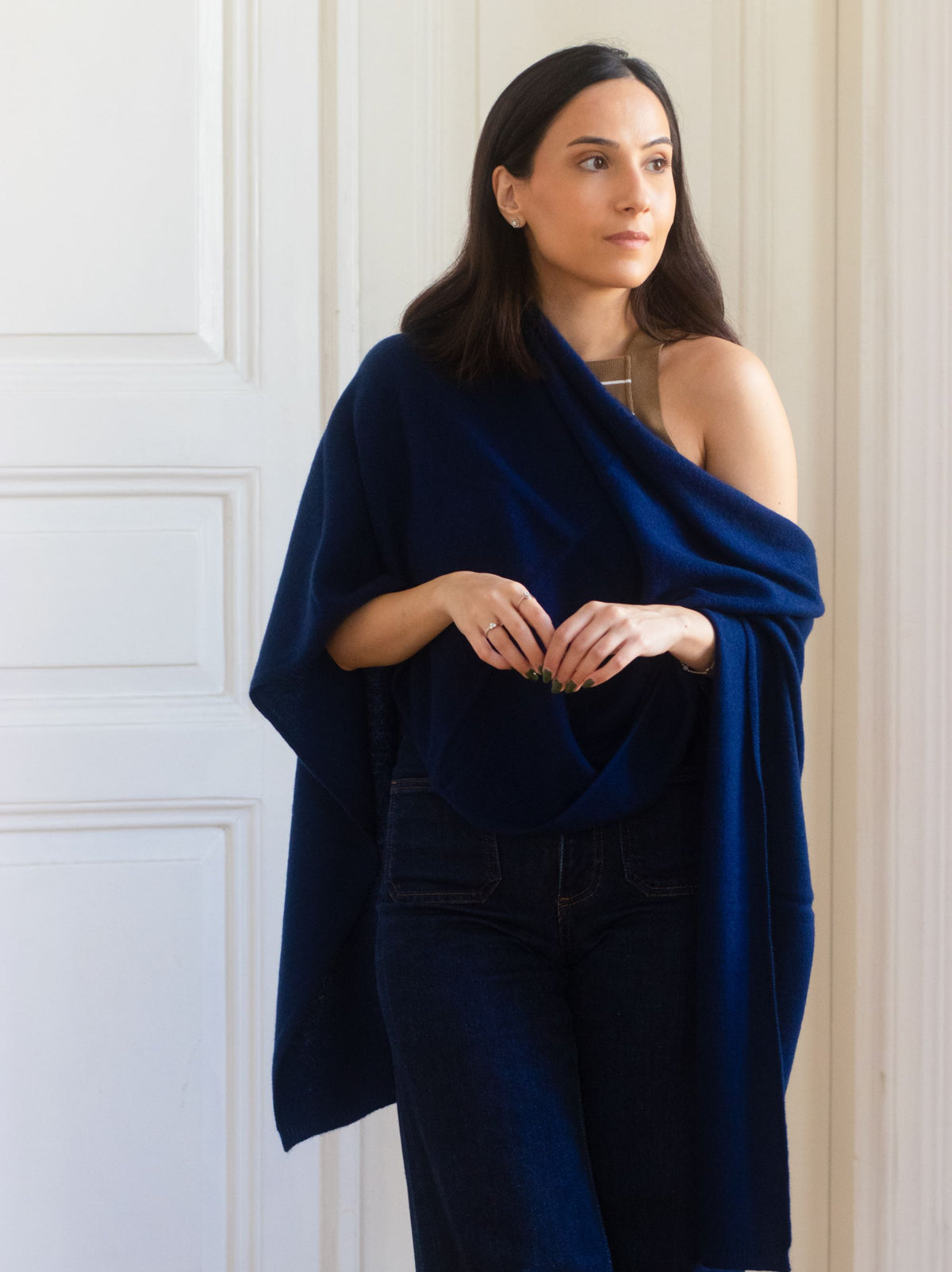
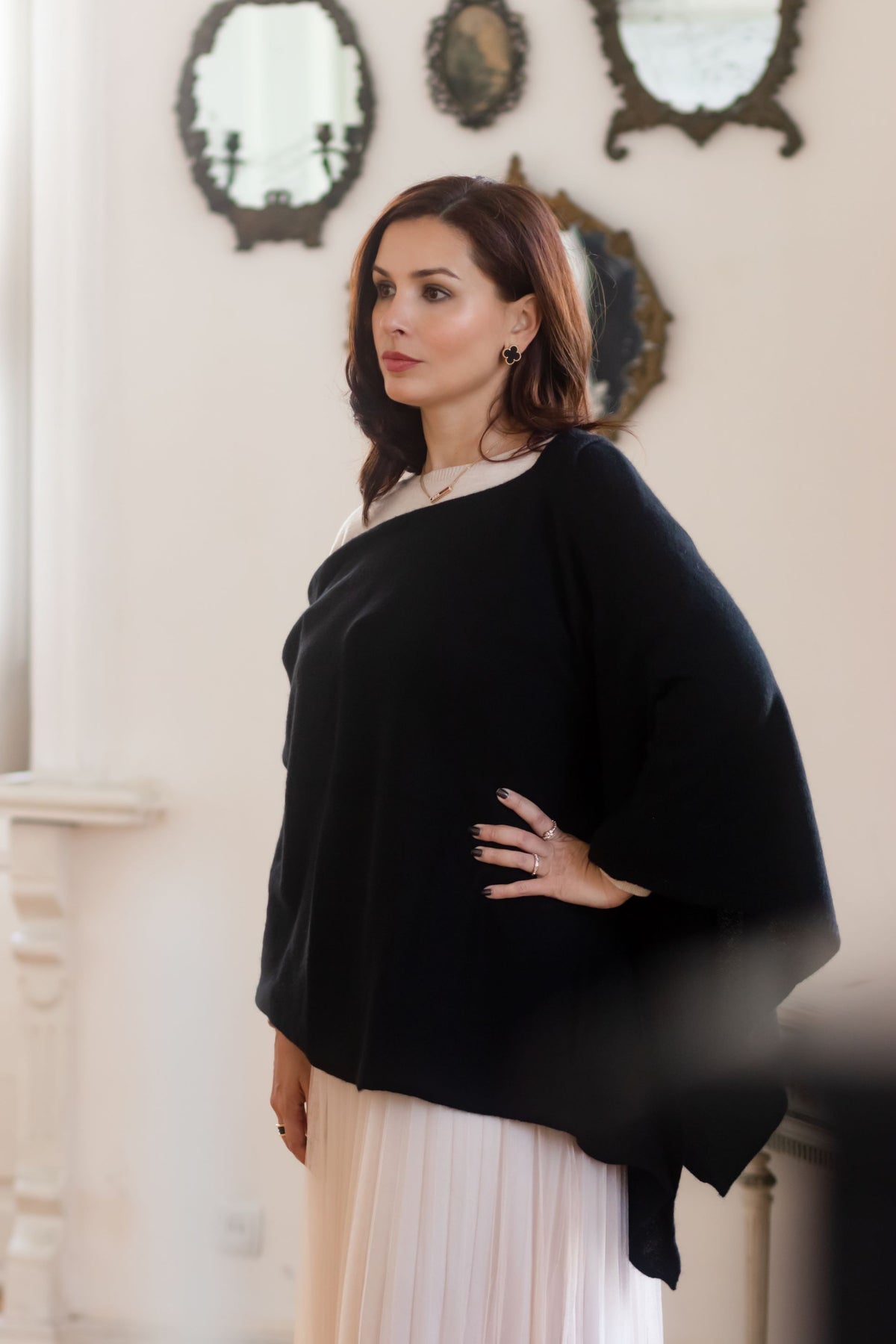
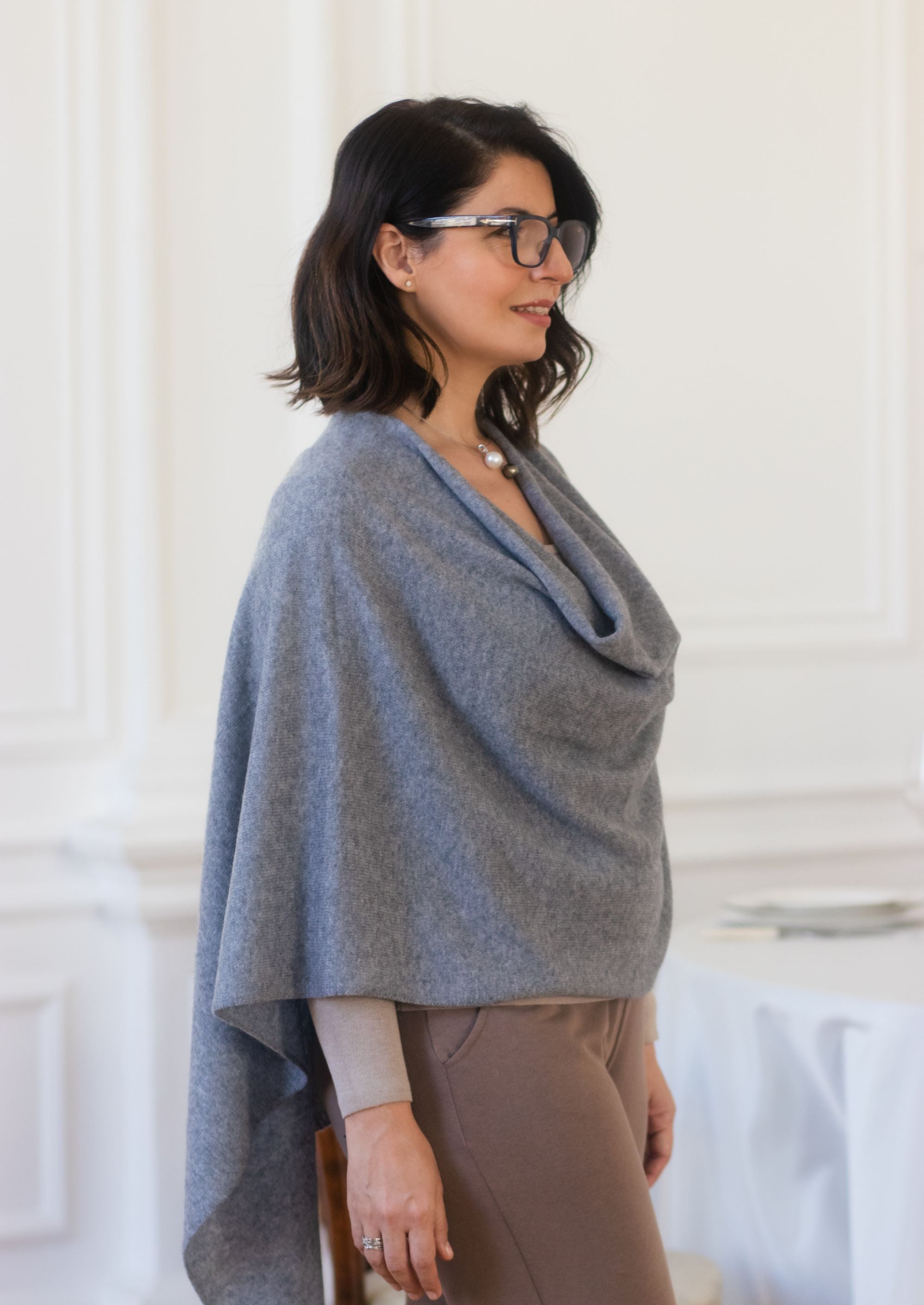
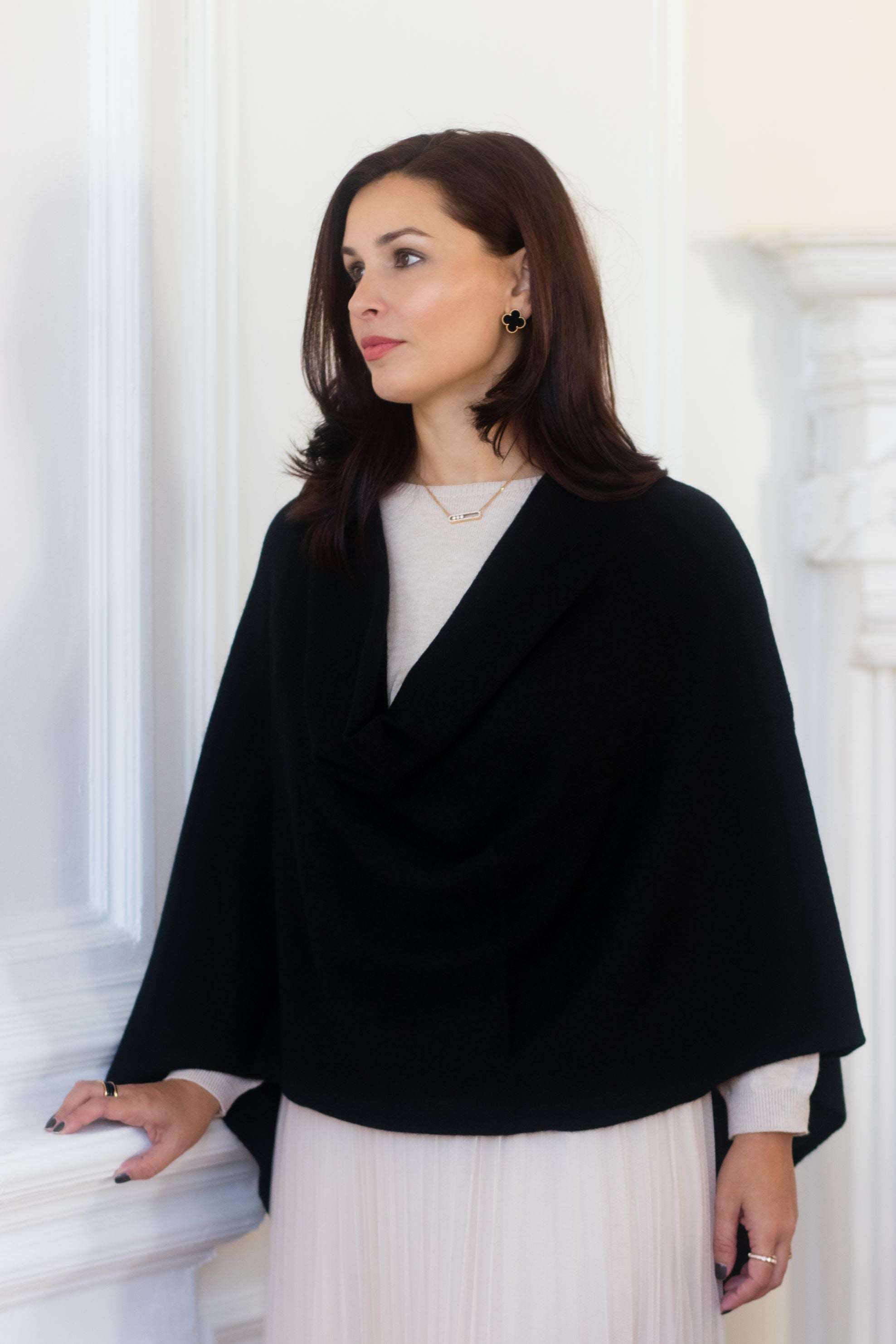
For everyday wear, fold the scarf once lengthwise and loop it around the neck, leaving the ends loose over a coat or sweater. This creates warmth while keeping the overall effect relaxed. With a blazer, try a simple drape over the shoulders or place it around the neck with one end slightly longer than the other. The asymmetry feels natural and prevents a tailored outfit from appearing too formal.
A wider cashmere scarf can replace the need for an extra layer on travel days. Drape it over a fine-gauge sweater and tailored trousers for the airport, then use it as a wrap once you are seated. It is a small luxury that makes practical moments feel more comfortable without adding another bulky item to pack.
For evening, choose a color that creates gentle contrast. A black dress becomes softer with ivory or pale gray cashmere, while a cream silk blouse gains depth with chocolate or navy. Rather than competing with jewelry or an embellished handbag, cashmere offers a quieter expression of occasion dressing.
There is also value in keeping one scarf within reach at work. Air-conditioned offices, client lunches, and late-day commutes often call for a layer that feels polished enough to remain on indoors. A fine cashmere scarf can do that with far more grace than a spare cardigan folded over the back of a chair.
Care That Preserves Softness and Shape
Cashmere rewards gentle care. It does not need frequent washing, especially when it is worn as an outer accessory. After wearing, allow the scarf to rest and air out away from direct heat. This gives the fibers time to recover and helps maintain their natural freshness.
When cleaning is needed, follow the garment label closely. Hand washing in cool water with a gentle cleanser is often appropriate, but some pieces are best entrusted to a professional cleaner. Avoid wringing or twisting the fabric. Instead, press out excess water with a clean towel and lay the scarf flat to dry, reshaping it as needed.
Pilling can occur with even excellent cashmere, particularly where friction is greatest. It is not automatically a sign of poor quality. A cashmere comb or fabric shaver used lightly can remove surface pills and restore a smooth appearance. The key is restraint: aggressive shaving can weaken the fibers over time.
Store cashmere folded rather than hung, since hanging can stretch the knit. At the end of the season, make sure the scarf is clean and completely dry before placing it in a breathable storage bag or drawer. Natural-fiber garments benefit from protection against moths, but heavily scented products can linger in delicate yarns, so choose storage methods carefully.
A Small Layer With Lasting Presence
The finest wardrobe pieces are often the ones that meet you in the in-between moments: stepping out before sunrise, settling into a window seat, walking to dinner after a long day. A cashmere scarf brings warmth to those moments while keeping your style composed.
At L’emi, cashmere is appreciated for this balance of beauty and comfort. Choose a scarf that feels natural with the clothes and life you already love, then wear it often enough for it to become unmistakably yours.
